Mar Tenebroso, Selva Indomable

Septiembre 2026 - Mayo 2027
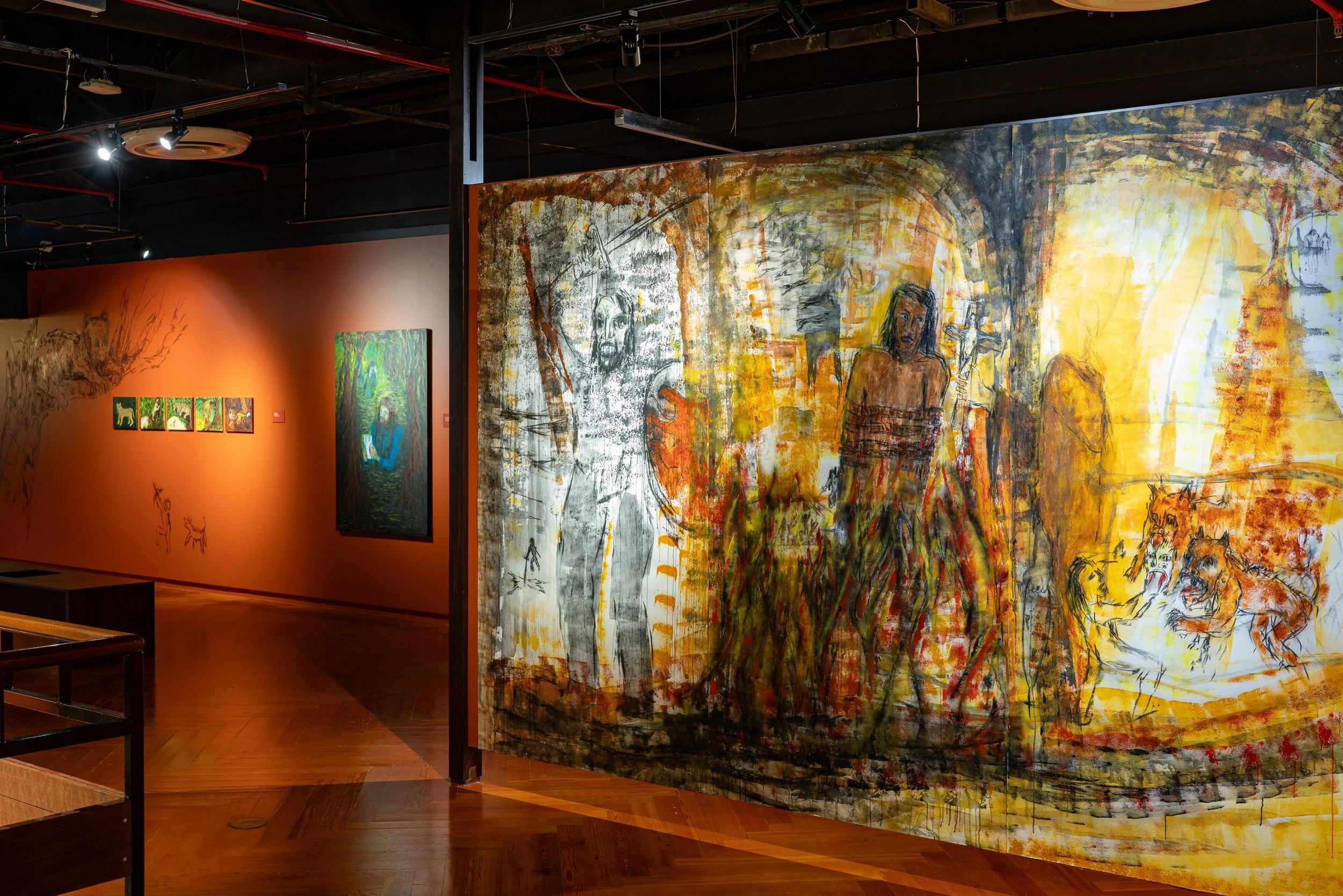
The Darién precedes its representation. Its geology was forged over millions of years, and it has been inhabited and made meaningful by societies with their own ways of understanding the world. Their voices are, to a large extent, absent from the archives. The surviving accounts were written primarily by colonizers as part of an imperial enterprise that sought to occupy these lands, extract their riches, and evangelize their inhabitants. The territories Europe began to call America were translated through European categories that explained the unknown through the familiar and turned difference into hierarchy. The opposition between “civilization” and “barbarism” thus served to legitimize colonization and its forms of subjugation and dispossession.
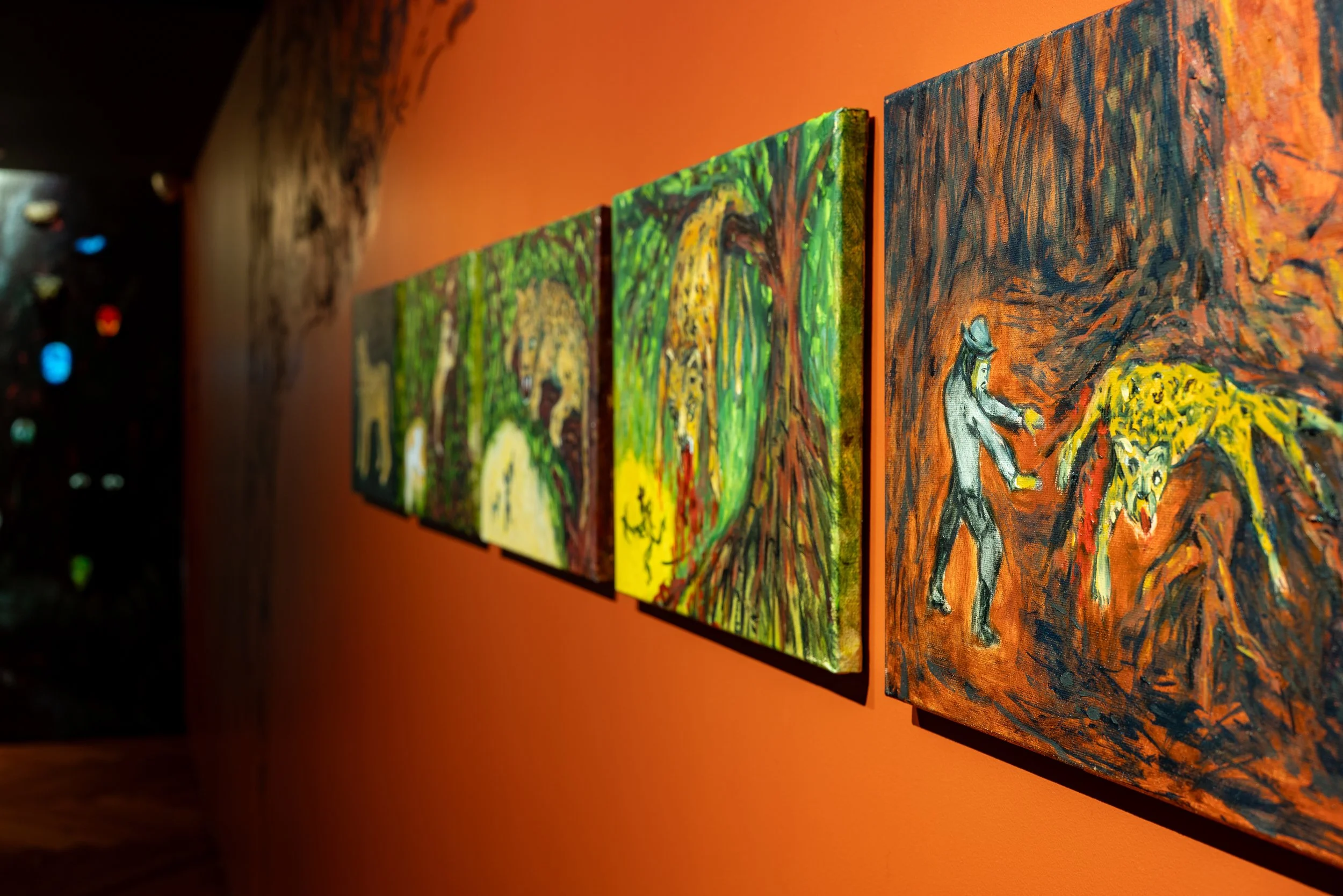
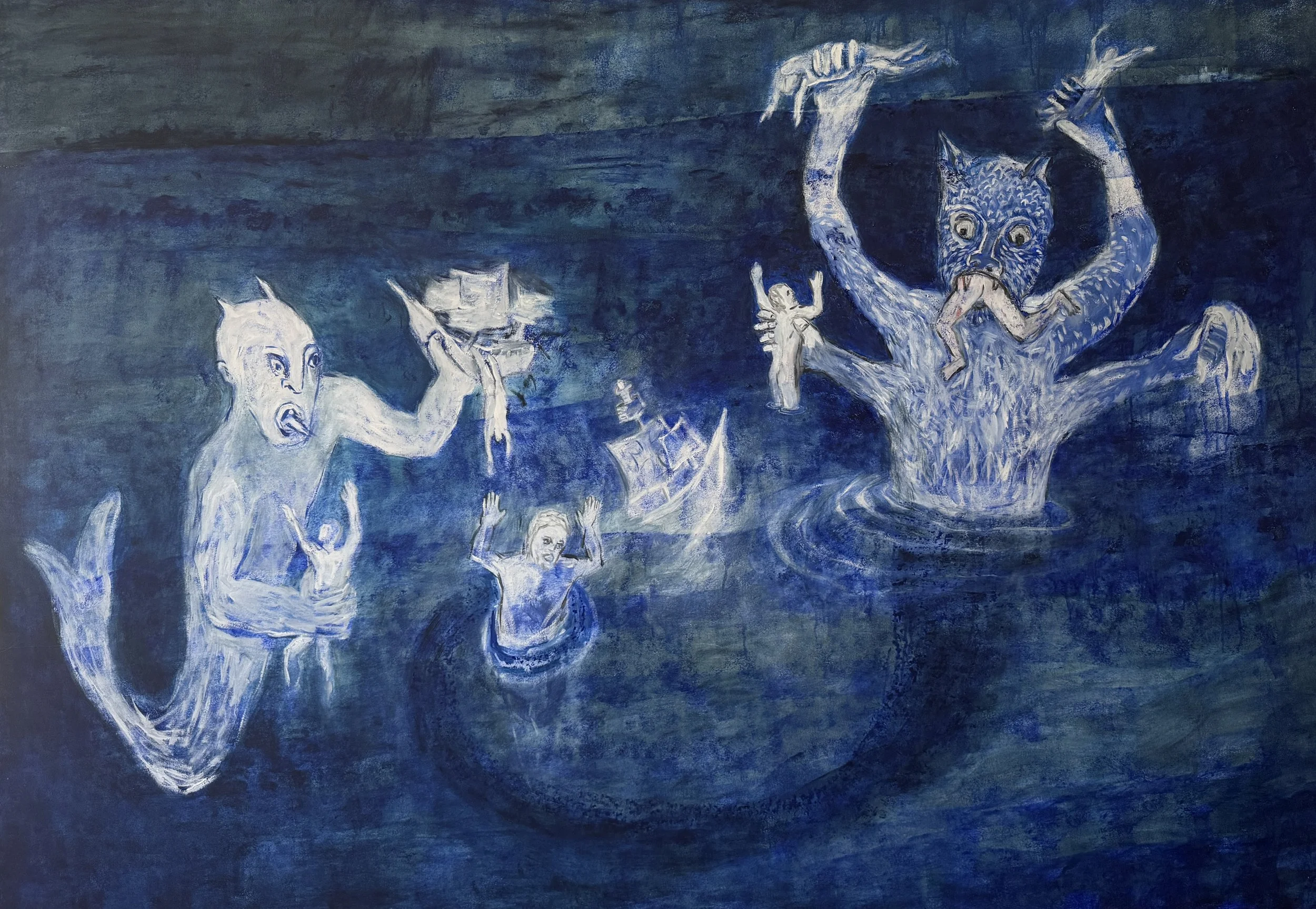
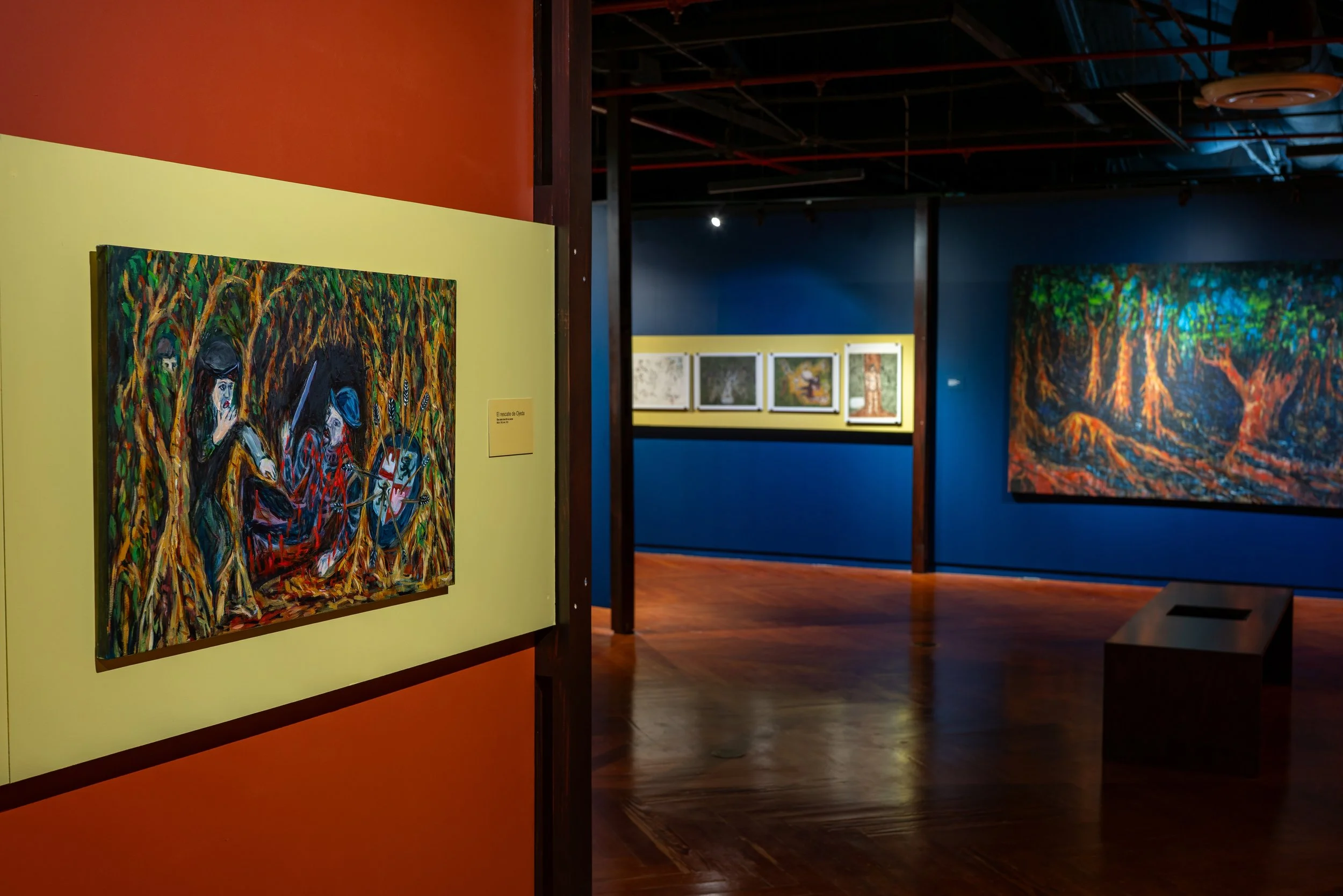
From the earliest accounts of the “conquest,” the Darién held a distinct place in the Spanish imagination. Chronicles, maps, engravings, and bestiaries transformed it into a promise of wealth, a route for exploration, and a stage for exploits and dangers. In these works, observation and fantasy existed side by side. The sea might harbor fearsome creatures, the forest conceal threats, and unfamiliar animals take on extraordinary dimensions. These images circulated far beyond the places they purported to describe and helped establish a vision of the territory shaped by fear and the desire for possession. Mapping, describing, and illustrating were also forms of appropriation, through which fantasy and violence became part of the colonial invention of the landscape. While these representations populated the isthmus with imagined threats, colonizers subjected its inhabitants to real violence.
Mar Tenebroso, Selva Indomable emerges from Isabel De Obaldía’s research in the Canal Museum’s cartographic and documentary archives, as well as her reading of chronicles by Gonzalo Fernández de Oviedo and Bartolomé de las Casas, the writings of Kathleen Romoli, and other sources shaped by partial perspectives. The chronicle serves as a point of departure for a visual language of her own, in which De Obaldía brings historical episodes together with animals of exaggerated scale, wounded bodies, and landscapes that dwarf the human presence. These new works extend an investigation of the Darién that the artist has pursued over the past five years, now turning her attention to historical images and narratives.